Digital Piano vs Keyboard: Key Differences Explained
Discover if a digital piano or keyboard suits your needs by understanding key differences in action types and key count.
You're considering a digital piano or a keyboard for your musical journey, but you're unsure which is the better investment. The choice hinges on a few critical factors: the action of the keys, the number of keys, and your specific needs as a beginner or advanced player.
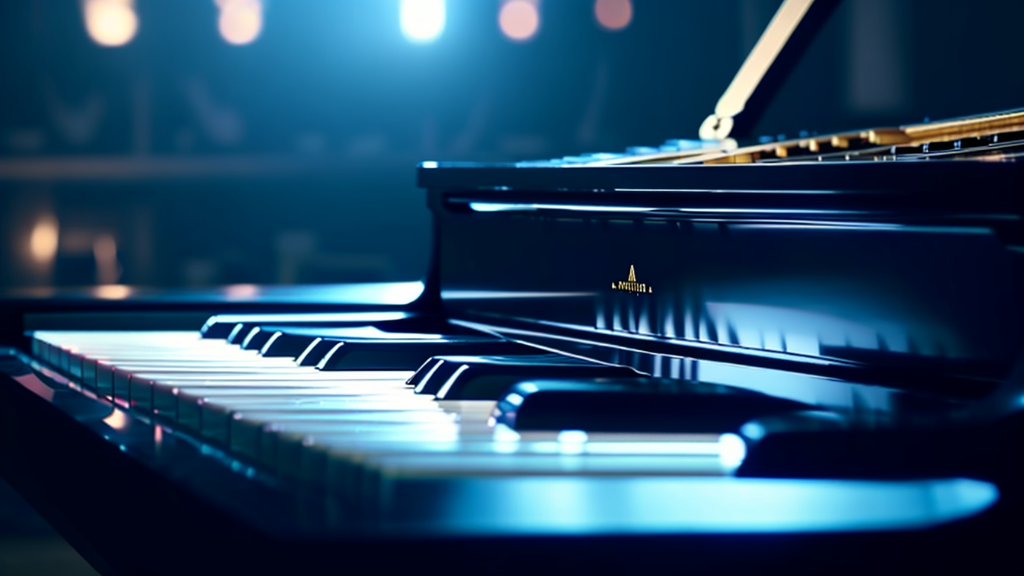
Digital pianos typically have an 88-key layout, mimicking the traditional acoustic piano. They often come with weighted hammer action, which replicates the feel of an acoustic piano. This is crucial for those who plan to transition to an acoustic piano or want to develop proper finger strength and technique. In contrast, keyboards usually feature fewer keys, often 61, and have a lighter, non-weighted action more akin to an organ or synthesizer.
The action of the keys is arguably more important than the sound engine when learning piano. Weighted keys help in building the necessary strength and dexterity in your fingers. This muscle memory is invaluable if you decide to play an acoustic piano in the future. Keyboards, while often more portable and affordable, don’t provide this same tactile experience.
When it comes to sound, digital pianos are designed to replicate the authentic sound of an acoustic piano. They often have fewer sound options compared to keyboards but focus on delivering high-quality piano tones. Keyboards, on the other hand, offer a wide range of sounds and effects, making them versatile for various musical genres beyond classical piano.
Consider your space and portability needs. Digital pianos are generally larger and heavier, with some models designed to be stationary, often requiring a dedicated space in your home. Keyboards are more compact and lightweight, making them easy to move and store, a significant advantage if you have limited space or need an instrument for gigs.
Ultimately, your choice should align with your goals. If you're serious about learning piano and prioritizing technique, a digital piano is the better option. If you're looking for versatility in sounds and portability, a keyboard might suit you better. Evaluate your priorities, and choose an instrument that matches your learning ambitions and lifestyle.
Understanding Key Action
Key action refers to how the keys respond when pressed. Digital pianos often feature weighted or hammer-action keys that mimic the feel of an acoustic piano. This is important for developing proper technique and finger strength. On the other hand, keyboards usually have unweighted or semi-weighted keys. These types of action are lighter and easier to press, which might be suitable for beginners or those interested in playing various genres beyond classical piano.
The Importance of Key Count
The number of keys is another crucial factor. Digital pianos typically come with 88 keys, the standard for acoustic pianos. This full range is essential for classical pieces and advanced repertoire that require the extensive range of an acoustic piano. Keyboards often come with 61 keys, which may limit your ability to play certain pieces but can be more than adequate for pop, jazz, or rock music. Consider the type of music you want to play when deciding on the key count.
Sound Quality and Variety
Digital pianos prioritize sound quality, often focusing on accurately replicating the sound of an acoustic piano. They might not offer as many sound options as keyboards, but their piano tones are typically superior. Keyboards, however, provide a wide array of sounds and effects, ranging from different instrument emulations to synthesized tones. This versatility can be appealing if you're interested in experimenting with different sounds and musical styles.
Portability and Space Considerations
If you need an instrument that can be easily moved or stored, a keyboard might be the better choice due to its lightweight and compact design. Digital pianos tend to be bulkier and heavier, often needing a permanent spot in your home. Consider your living space and whether you need to transport your instrument for lessons or performances when making your decision.
Choosing Based on Your Goals
Your personal goals should guide your choice. If you aim to develop traditional piano playing skills, a digital piano will serve you well in building the necessary technique. If your focus is on exploring various musical genres and sounds, or if you need an instrument that's easy to carry, a keyboard might be more appropriate. Evaluate what you want to achieve musically and choose the instrument that aligns with those goals.