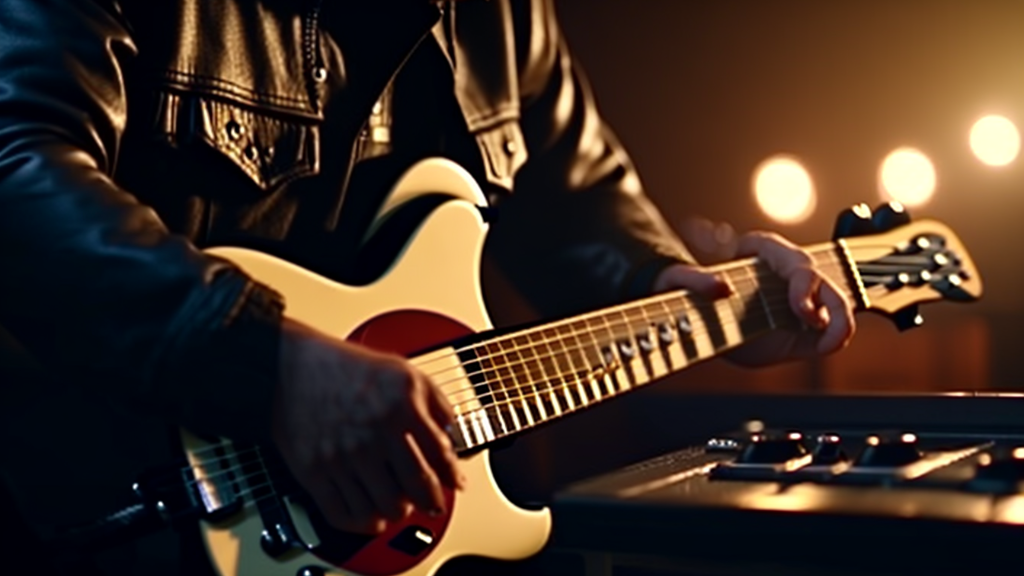
The First 5 Pedals Beginners Need—and the 2 Most Regretted
A beginner guitarist soon discovers that a few well‑chosen pedals can shape tone and workflow. Here’s the essential five and the two most often abandoned.
You have just bought your first electric guitar and a basic amp, and you’re staring at a shelf of colorful pedals wondering which ones are worth the extra cable. You want to sound good without spending hours tweaking knobs, but you also fear ending up with gear that gathers dust. The answer is to start with a tuner, an overdrive, a delay, a reverb, and a looper—each serving a distinct purpose that covers most playing situations. These five pedals give you reliable pitch accuracy, a mild gain boost for clean distortion, time‑based ambience, room‑like depth, and the ability to layer phrases without a separate recorder.
A tuner pedal provides instant visual feedback, ensuring each note rings true before you even hit the amp. Most tuners use a 9‑volt battery and a simple LCD display, and they can lock onto standard concert pitch or alternate tunings in seconds. An overdrive pedal adds a modest gain stage that reacts to your picking dynamics, letting you push the amp into a warm breakup without sacrificing clarity. Look for a pedal that offers a gain control, a tone knob, and a level adjust, so you can shape the character from a subtle boost to a pronounced crunch.
Delay creates repeats that can be short and tight for slapback effects or long and evolving for atmospheric textures. A typical analog‑style delay provides up to 600 ms of repeat time, while digital units may extend beyond a second and include tap‑tempo features. Reverb simulates the reflections of a physical space, from small rooms to large halls, and adds depth that makes a dry amp sound more three‑dimensional. Most reverb pedals let you set decay time, mix level, and sometimes a pre‑delay, giving you control over how quickly the sound fades.
A looper records a phrase and plays it back in a continuous loop, freeing your hands to add layers or harmonies on top. Loopers usually support loop lengths of 30 seconds to several minutes, with footswitches for record, overdub, and undo. This tool is invaluable for practice, songwriting, and live performance, because it turns a single guitar into a multi‑instrument setup.
While the five core pedals cover most needs, many beginners purchase a chorus or a boost pedal only to find they rarely use them. A chorus adds a subtle modulation that can thicken a clean tone, but its effect is often subtle enough that a well‑adjusted amp already provides sufficient sparkle. A boost pedal, distinct from overdrive, simply raises the signal level without adding distortion, which can be useful for solos but is easy to replicate with the volume knob on the guitar or amp. Because these two pedals occupy space on a pedalboard and require additional power, they frequently end up in the drawer when the player discovers the core five already deliver the desired sounds.
Choosing the right order for these pedals also matters. Placing the tuner first ensures a clean signal for accurate pitch detection, while putting the looper near the end preserves the effect chain for each looped layer. Overdrive typically sits before delay and reverb so that the repeats inherit the distorted character, whereas reverb and delay are often placed after distortion to keep the repeats clear. Experimenting with this order is part of the learning process, but the suggested layout gives a solid starting point.
In summary, a tuner, overdrive, delay, reverb, and looper form a balanced toolkit that lets a beginner explore rhythm, lead, and ambient playing without unnecessary complexity. Avoiding the extra chorus and boost pedals keeps the board simple, reduces power consumption, and prevents clutter. As you grow as a musician, you can add more specialized effects, but these five will serve you well from first gigs to early songwriting sessions.
Why a Tuner Is the First Pedal You Should Own
A tuner pedal is more than a convenience; it is a fundamental tool for maintaining intonation during practice and performance. Unlike clip‑on tuners that rely on visual cues, a pedal displays pitch directly in your line of sight, allowing you to adjust tuning without looking away from the fretboard. Most tuners use a 9‑volt battery that can last for hundreds of hours, and they feature a bright LCD that works in low‑light venues. The device detects the fundamental frequency of each string and indicates whether the note is flat, sharp, or in tune. This immediate feedback helps beginners develop an ear for pitch, reducing the habit of relying on visual tuning alone. Additionally, many tuners include a mute function that silences the signal while you tune, preventing unwanted noise on stage. By placing the tuner at the very start of the signal chain, you guarantee that the rest of the pedals receive a clean, correctly pitched signal, which is essential for accurate delay timing and reverb decay.
Understanding Overdrive: From Clean Boost to Mild Distortion
Overdrive pedals emulate the natural compression and harmonic saturation that occurs when an amplifier’s tubes are pushed into their sweet spot. The core controls—gain, tone, and level—allow you to shape the amount of drive, the brightness of the signal, and the output volume to match the amp’s input. A modest gain setting adds a subtle edge, perfect for blues or rock rhythm parts, while higher gain produces a richer, more saturated tone suitable for lead lines. The tone knob lets you dial back harsh high frequencies that can become piercing at high gain, ensuring the pedal remains versatile across different amp settings. Because overdrive reacts to the dynamics of your picking, it preserves the expressive nuances of your playing, unlike a hard clipping distortion that can sound static. For beginners, an overdrive provides a reliable way to achieve a classic rock crunch without needing to turn the amp’s gain knob to extreme levels, which can produce unwanted noise.
Delay and Reverb: Crafting Space and Rhythm
Delay and reverb are time‑based effects that add depth and rhythmic texture to a guitar signal. Delay records the input and plays it back after a set interval, creating repeats that can be short enough for slapback or long enough to form ambient soundscapes. Most delay pedals allow you to adjust the delay time in milliseconds, the feedback or repeat count, and the mix level, giving you precise control over how prominent the repeats are. Some units also feature tap‑tempo, letting you sync the delay time to the tempo of a song by tapping a footswitch. Reverb simulates the reflections of sound in a physical space, from intimate rooms to expansive halls. Typical reverb controls include decay time, which determines how long the echo lasts, and mix level, which balances the dry and wet signals. By placing reverb after delay, the repeated notes also receive the ambient tail, creating a cohesive sense of space. Together, these effects can transform a dry amp tone into a lush, immersive experience, essential for both solo performances and band settings.