DSLR vs Mirrorless: Choosing Your First Camera
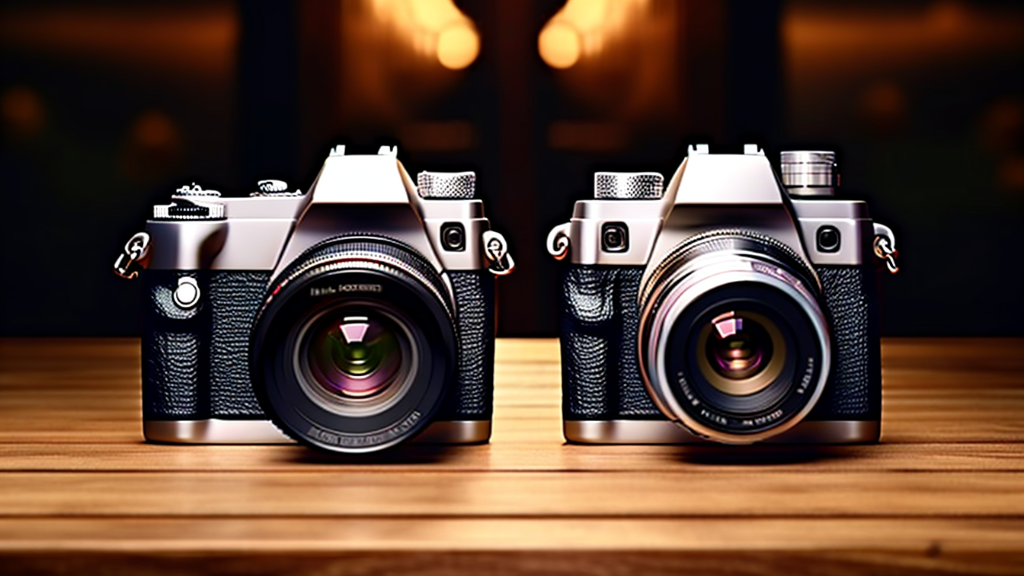
Discover the pros and cons of DSLR and mirrorless cameras to make an informed choice for your photography needs.
You're ready to dive into photography and face a common dilemma: should you choose a DSLR or a mirrorless camera? Both have their strengths, and the right choice depends on your specific needs and preferences. Understanding the differences can help you make an informed decision.
First, let's consider the viewfinder. DSLRs typically have an optical viewfinder, which provides a real-world view through the lens using a mirror and prism system. This can be advantageous in bright lighting conditions, as it doesn't suffer from glare or lag. Mirrorless cameras, on the other hand, use electronic viewfinders or rely on the LCD screen. These can offer a preview of your exposure and settings in real-time, which is beneficial for beginners learning to adjust settings.
Autofocus is another crucial factor. DSLRs have traditionally been known for faster and more reliable autofocus systems, particularly in low-light situations. However, mirrorless technology has advanced rapidly, and many models now offer competitive autofocus performance, sometimes even surpassing DSLRs in speed and accuracy.
Battery life is often a concern for photographers on the go. DSLRs generally offer longer battery life due to their optical viewfinders requiring less power than electronic viewfinders or LCD screens. For extended shoots or travel, this can mean fewer interruptions to change batteries.
Lens availability and compatibility are essential considerations. DSLRs have been around longer, resulting in a broader range of available lenses, including many second-hand options. Mirrorless systems are catching up quickly, but the selection still depends on the camera brand and system. Additionally, adapters can sometimes allow the use of DSLR lenses on mirrorless bodies, expanding your choices.
Price is always a consideration, especially if you're looking at the second-hand market. DSLRs often offer more affordable options, both new and used, providing a cost-effective entry into photography. Mirrorless cameras, while sometimes more expensive upfront, offer features like advanced video capabilities that may justify the investment if those are important to you.
If you prioritize long battery life, an optical viewfinder, and a wide range of affordable lenses, a DSLR might be the better choice. However, if you value compact size, the ability to preview exposure settings in real-time, and advanced features for video, a mirrorless camera could be the way to go.
Ultimately, the decision should be based on your specific needs. Consider what features align with the type of photography you plan to pursue and the environments you'll be shooting in. Renting or borrowing cameras before purchasing can also help you make a more informed choice.
Viewfinder Types Explained
DSLRs use an optical viewfinder that provides a direct optical path to the subject. This can be beneficial for better visibility in bright sunlight and offers a natural viewing experience. Mirrorless cameras use electronic viewfinders that display a digital image of what the sensor sees. This can be useful for beginners, as it shows the effect of settings like exposure and white balance in real-time, making it easier to learn and adjust.
Autofocus Performance
Autofocus systems in DSLRs have been traditionally superior due to phase detection technology, which is fast and accurate. However, recent mirrorless models have closed this gap significantly with advanced autofocus tracking and continuous autofocus capabilities. This is particularly beneficial for action photography, where quick focus adjustments are crucial.
Battery Life Considerations
Battery life in DSLRs tends to be longer because they rely less on power-hungry components like electronic viewfinders. For photographers who shoot extensively or travel without frequent charging opportunities, this can be a significant advantage. Mirrorless cameras, while improving in efficiency, still generally consume more power due to their reliance on electronic screens and viewfinders.
Lens Availability and Compatibility
DSLRs benefit from a vast selection of lenses due to their longer presence in the market. This includes a range of affordable second-hand lenses. Mirrorless systems offer cutting-edge lens technology but may not have as extensive a range yet. However, many mirrorless cameras support adapters, allowing the use of DSLR lenses, which can be a practical solution to expand options.
Evaluating Second-Hand Market Options
The second-hand market for DSLRs is robust, with many options available at various price points, making it easier to find a camera that fits your budget. Mirrorless options in the used market are growing, though they might come at a higher price due to their newer technology. When buying used, inspect the condition of the camera body and lens, and consider the shutter count for DSLRs, as it indicates the camera's usage.