Prime vs Zoom: Choosing Your Second Camera Lens
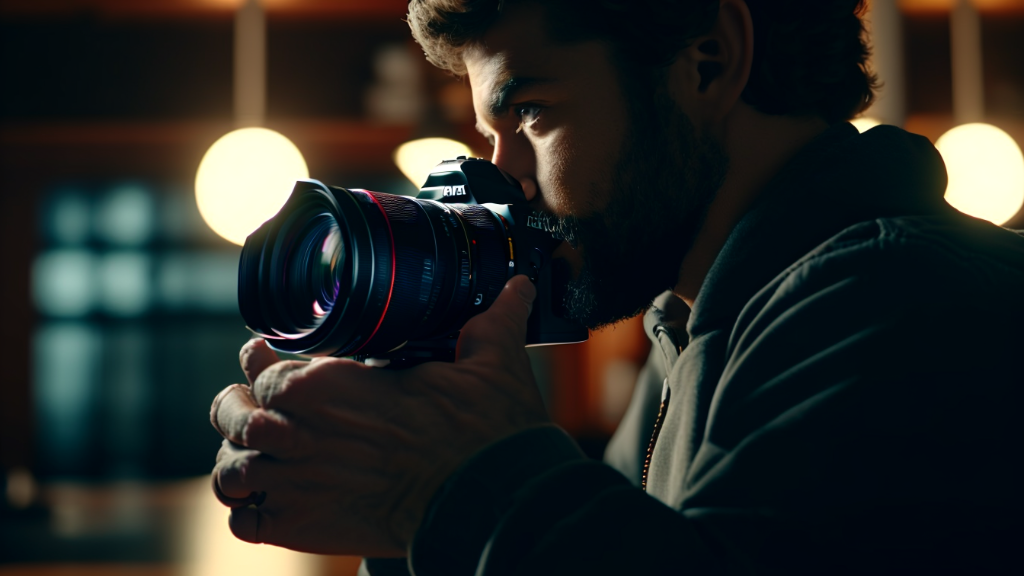
Decide between a prime or a zoom lens for your second camera lens by evaluating focal lengths, light needs, and personal photography style.
You've outgrown the kit lens that came with your camera and are ready to expand your photography skills. The choice between a prime lens and a zoom lens can significantly impact your photos. Understanding your photography style and what you want to achieve is key in making this decision.
Prime lenses have a fixed focal length, meaning they do not zoom. This limitation can be a strength, encouraging you to move around and compose your shots more creatively. Primes are often lighter and faster, with larger apertures. This allows better performance in low light and produces a shallower depth of field, giving you that creamy background blur known as bokeh.
On the other hand, zoom lenses offer flexibility with variable focal lengths. They allow you to quickly adjust the framing without moving. This can be particularly useful in dynamic environments like events or sports, where you need to change perspectives rapidly. However, zoom lenses are generally heavier and may have smaller maximum apertures, which can limit their low-light performance and depth of field control.
To decide which lens to buy next, look at your current photography habits. Review your favorite photos and note the focal lengths you use most. If you often shoot in low-light conditions or love portrait photography with a blurred background, a prime lens might be ideal. Consider a 35mm or 50mm prime for versatility. These focal lengths are great for portraits, street photography, and general use.
If you find yourself needing to capture subjects at varying distances without changing lenses, a zoom lens could be more practical. A lens covering the 24-70mm range might serve well for landscapes, portraits, and general photography.
Each lens type has trade-offs. Prime lenses are usually sharper and more compact but require you to physically move to change framing. Zoom lenses offer convenience and flexibility but can be bulkier and more expensive. The best choice depends on your specific needs and what you're willing to compromise.
When considering aperture, remember that a lens with a wider maximum aperture (lower f-number) allows more light to hit the sensor, which is beneficial in low-light conditions and for achieving a shallow depth of field. However, this also means the lens can be more expensive and heavier.
Ultimately, the decision between a prime and zoom lens should align with your photography goals. Consider your budget, the types of photography you enjoy, and the situations where you'll be using the lens most. Reflect on your existing photos to guide your choice, as your unique style is the best indicator of what will serve you well.
Understanding Focal Lengths
Focal length is a critical factor when selecting a lens. It determines the angle of view and magnification. Shorter focal lengths, such as 24mm, offer a wide view and are ideal for landscapes and architecture. Longer focal lengths, like 85mm, provide a narrow view, making them suitable for portraits as they compress the background and focus more on the subject. Consider what you shoot most often and choose a focal length that complements this. Checking the metadata of your favorite images can help you identify your preferred focal lengths.
Considering Aperture and Light
Aperture affects both exposure and depth of field. A lens with a wider maximum aperture, such as f/1.8 or f/2.8, can capture more light and allows for shooting in dim conditions without a flash. It also creates a shallow depth of field, which is great for isolating subjects against blurred backgrounds. If you frequently shoot in low-light settings or want to achieve artistic bokeh effects, a lens with a large aperture is advantageous. Be aware that wider aperture lenses can be more expensive and heavier.
Weight and Portability
The size and weight of a lens can impact your shooting experience, especially during extended shoots or travel. Prime lenses are typically more compact and lightweight, making them easier to carry around. Zoom lenses, with more glass elements and complex construction, tend to be bulkier. Evaluate how important portability is in your photography. If you're often on the move or prefer carrying minimal gear, the lighter option might be more appealing.
Budget Considerations
Budget is always a key factor in any purchase. Prime lenses are generally more affordable and can offer excellent image quality for the price. Zoom lenses, offering more versatility, often come with a higher price tag. Consider how much you're willing to invest and the potential benefits each type of lens offers in relation to your photography needs. Sometimes, investing in a high-quality prime lens can be more beneficial than a mediocre zoom lens.