
Choosing the Right Size for Your Parakeet Cage
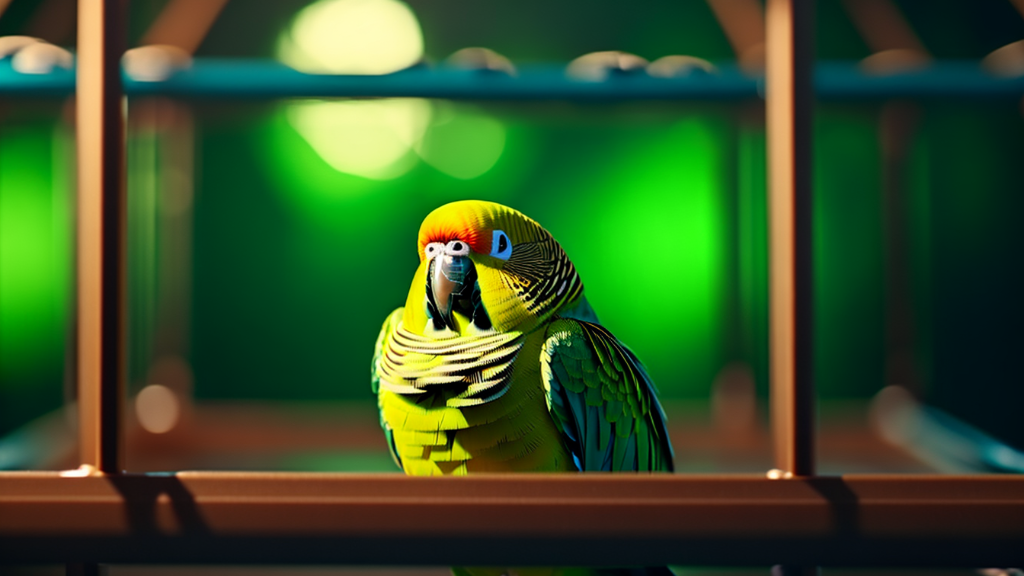
Discover the key factors in selecting a parakeet cage, including size, bar spacing, and perch variety for your bird's comfort and safety.
You've decided to bring a parakeet into your home, and now you're faced with the task of choosing the right cage. It's important to understand that the size of the cage is crucial for your bird's well-being. A common mistake is to prioritize height over width. Parakeets need space to fly more than they need vertical climbing room. Therefore, a wider cage is often more beneficial than a taller one.
When selecting a cage, ensure it is at least 18 inches wide. This width allows for some flight, which is essential for exercise and mental stimulation. The bars should be spaced no more than half an inch apart to prevent your parakeet from squeezing through or getting stuck. A cage that is too small or has improperly spaced bars can lead to stress and injury.
Inside the cage, variety is key. Different types of perches, such as wooden, rope, and natural branches, can help keep your parakeet's feet healthy. Avoid using sandpaper-covered perches, as they can cause foot irritation. The placement of these perches should allow your bird to move freely without obstruction.
Consider where you will place the cage in your home. A spot with some natural light, away from direct drafts or excessive noise, is ideal. Parakeets are social creatures and will thrive in an area where they can observe family activities without being overwhelmed.
Many cages marketed as suitable for parakeets are unfortunately too small. It's essential to review the dimensions and bar spacing carefully before making a purchase. Remember, the cage is your bird's home, and it needs to be comfortable and safe.
The trade-offs between cost and quality are often a consideration. While it might be tempting to opt for a cheaper cage, investing in a well-built, appropriately sized cage will benefit your parakeet's health and happiness in the long run. High-quality materials will ensure the cage lasts longer and provides a secure environment.
In summary, when choosing a cage, focus on width, proper bar spacing, and varied perch options. Proper placement within your home also affects your parakeet's well-being. Prioritizing these factors will ensure you provide a safe and stimulating environment, promoting a healthy and happy life for your parakeet.
Importance of Cage Width
Width is more important than height for parakeet cages because it provides more space for flying. Parakeets, being active birds, require ample room to move horizontally. A wider cage allows them to exercise properly, which is crucial for their physical and mental health. Unlike larger parrots that may benefit from vertical climbing space, parakeets need the ability to spread their wings and fly short distances. Therefore, when shopping for a cage, prioritize those with more width.
Understanding Bar Spacing
Bar spacing is critical for the safety of your parakeet. If the bars are too far apart, your bird may be able to squeeze through and escape or get stuck, leading to potential injuries. The recommended bar spacing for parakeets is no more than half an inch. This ensures the bird cannot fit its head through the gaps. Cages with the correct bar spacing provide a secure environment, preventing accidents and allowing the bird to explore safely.
Perch Variety and Placement
Providing a variety of perches helps maintain your parakeet's foot health. Different textures and materials, such as wood, rope, and natural branches, prevent foot sores and offer mental stimulation. Avoid perches covered with sandpaper as they can cause irritation. The placement of these perches should facilitate movement without crowding the cage. Ensure there's enough space for the bird to fly from one perch to another easily, promoting natural behaviors and exercise.
Optimal Cage Placement in Your Home
The location of your parakeet's cage within your home significantly affects its well-being. Choose a spot that receives natural light but avoids direct sunlight and drafts. The cage should be at a height where your bird can observe family activities, fostering a sense of security and interaction. Avoid placing the cage in areas with high noise levels or constant disturbances, as this can cause stress. Ideally, the cage should be in a quiet, social part of the home where the bird can feel included.
Evaluating Cage Quality and Materials
When buying a cage, consider the quality of materials used. Durable materials like stainless steel or powder-coated metals are preferable as they resist wear and are non-toxic. While these options may be more expensive, they offer longevity and safety for your parakeet. Cheaper cages may use materials that can rust or break easily, posing risks to your bird. Investing in a high-quality cage ensures a safe environment and reduces the need for frequent replacements.