
Choosing Reptile Heating: Mats, Lamps, or Ceramic Emitters
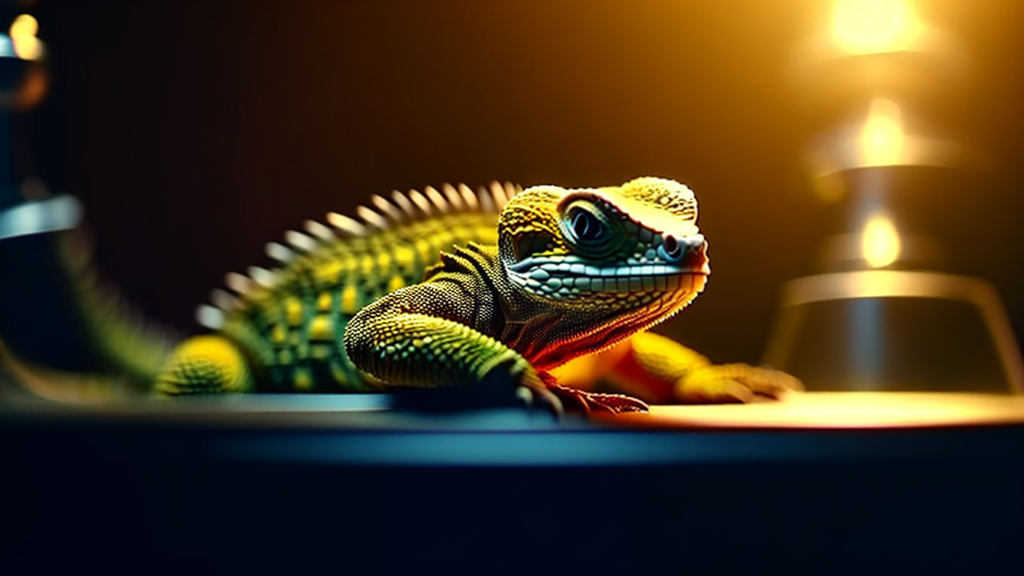
Understand reptile heating options: mats, lamps, and ceramic emitters. Learn about thermal gradients and the necessity of thermostats.
You’re setting up a habitat for your reptile, and one of the most critical aspects to consider is how to maintain the proper temperature. Reptiles are ectothermic, meaning they rely on external heat sources to regulate their body temperature. To create a comfortable and healthy environment, you need to decide between a heating mat, a lamp, or a ceramic emitter.
Heating mats provide heat from below, which can mimic the warmth of sun-baked rocks. They are thin and can be placed under the tank or inside, depending on the type. Mats are generally energy-efficient and offer a consistent heat source, ideal for species that prefer belly heat, like many snakes and some lizards. However, they do not provide the light that some reptiles need for their daily activities.
Lamps, on the other hand, offer a basking spot that simulates natural sunlight, providing heat from above. They are excellent for creating a thermal gradient, allowing your reptile to move between warmer and cooler areas. This setup is beneficial for reptiles that bask, such as iguanas and bearded dragons. However, lamps consume more energy and need to be positioned carefully to avoid burns.
Ceramic emitters provide heat without light, making them perfect for maintaining nighttime temperatures without disturbing the reptile's day-night cycle. They emit infrared heat, which penetrates deeper into the substrate and can be more comfortable for the reptile. However, they do not simulate sunlight and need to be used in conjunction with another light source during the day.
A thermostat is crucial for all these heating methods. It regulates the temperature, preventing overheating, which can harm your reptile. Without a thermostat, the temperature can fluctuate, creating a dangerous environment. Each heating method has its pros and cons, and the choice depends on your specific reptile's needs.
When selecting a heating option, consider the natural habitat of your reptile. Desert reptiles may benefit more from a basking lamp, while rainforest species might need the consistent warmth of a mat. Also, think about the size of the enclosure. Larger tanks might require multiple heat sources to maintain a proper thermal gradient.
Finally, think about your own needs. Consider the energy consumption, setup complexity, and maintenance. While a mat might be more energy-efficient, a lamp might offer a more visually appealing setup. Ceramic emitters are low-maintenance but require additional lighting during the day. Balancing these factors will help you create the best environment for your pet.
Importance of Thermal Gradients
Creating a thermal gradient in your reptile's habitat is essential for their health. This means establishing a range of temperatures within the enclosure, allowing the reptile to choose the right temperature for its needs at any time. A thermal gradient helps in regulating the reptile's metabolism, digestion, and overall activity levels. By using a combination of heat sources like mats, lamps, or ceramic emitters, you can effectively create this gradient. Place the heat source at one end of the enclosure to provide a warmer basking area while leaving the opposite end cooler.
Reptile-Specific Heating Needs
Different reptiles have different heating requirements based on their natural habitats. For instance, desert reptiles like bearded dragons require intense basking heat along with UVB light, which can be provided by a combination of heat lamps and UV bulbs. On the other hand, nocturnal reptiles like leopard geckos prefer belly heat from heating mats, as they are more active during the night and do not require intense light. Understanding the specific needs of your reptile is crucial in choosing the right heating solution.
Safety Tips for Heating Equipment
Safety is paramount when using any heating device in your reptile's habitat. Always use a thermostat to regulate the temperature and prevent overheating, which can lead to burns or heat stress. Regularly check the equipment for damage, and replace any faulty wires or bulbs immediately. Ensure that the heat source is securely mounted or placed to prevent accidental tipping or contact with the reptile. Additionally, monitor the humidity levels in the enclosure, as some heating methods can dry out the air, affecting your reptile's health.
Energy Efficiency Considerations
Energy consumption is a practical consideration when choosing a heating method for your reptile. Heating mats are generally more energy-efficient than lamps, as they provide steady, low-wattage heat. Ceramic emitters are also efficient, especially for maintaining night-time temperatures. However, heat lamps may consume more energy due to their higher wattage and need for constant operation to provide light and heat. Consider the long-term energy costs and choose a method that balances efficiency with the needs of your reptile.
Combining Heat Sources
In many cases, combining different heat sources can offer the best solution for your reptile's habitat. For instance, using a heating mat for belly heat along with a basking lamp can provide a comprehensive thermal environment. This combination allows for a warm basking spot while maintaining ambient warmth. Additionally, a ceramic emitter can be used at night to keep the temperature stable without light. By understanding how to effectively use multiple heat sources, you can ensure your reptile has a comfortable and healthy environment.