Choosing the Right Small Pet for Your Apartment
Discover how to choose a small pet that fits your apartment's space and your lifestyle, including care requirements and long-term commitments.
You want a small pet but live in a compact apartment. It’s essential to consider factors like space, noise levels, odor, daily care, and the pet’s lifespan. Not every small pet is suitable for apartment living. Understanding these aspects will help you find a pet that fits your lifestyle and living conditions.
For small apartments, rodents like hamsters or gerbils are often recommended. They require minimal space and can thrive in cages that are around 24 inches long. However, they can be noisy at night, so consider your sleep schedule. If you prefer quieter options, consider fish. An aquarium can fit in a small corner and requires less daily interaction, but you will need to monitor water quality and temperature.
Rabbits and guinea pigs need more space and attention. A rabbit requires a pen that is at least 3 feet by 4 feet. They are social animals and need interaction daily. Guinea pigs also need large cages and can be quite vocal, which may not be ideal for close living quarters. Both pets can produce odor if their habitats are not cleaned regularly, so factor in your willingness to maintain their living conditions.
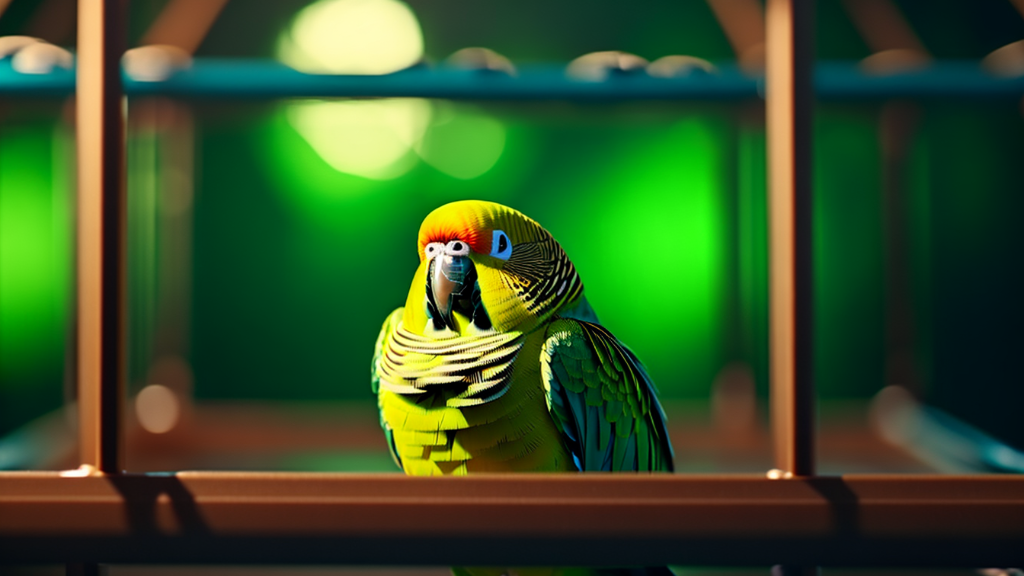
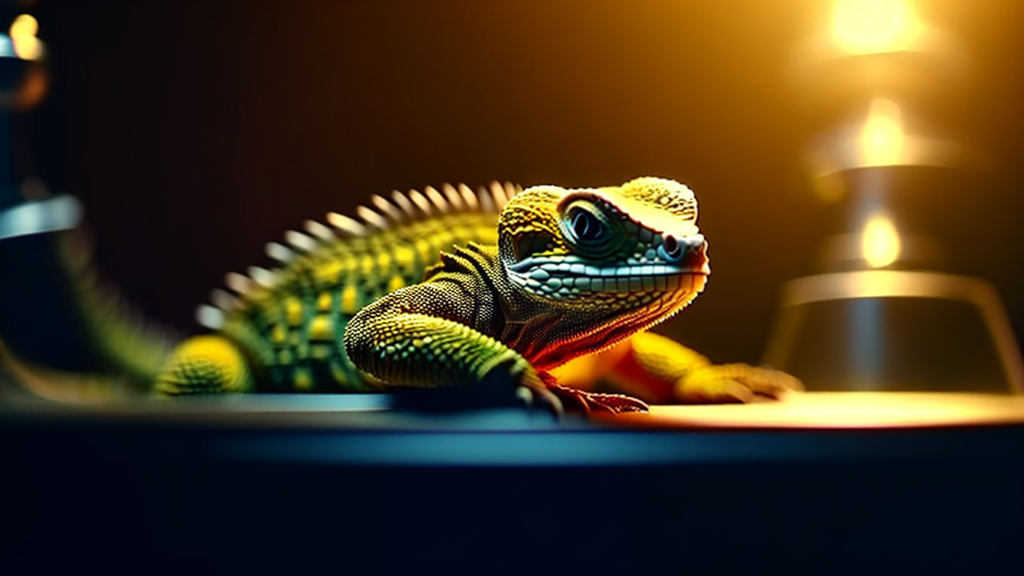
Birds can be another option but consider their noise levels. Parakeets and canaries are small and require cages but can be loud at times, which might disturb neighbors in close quarters. If you're looking for low-maintenance pets, consider reptiles. They take up little space and don't require much daily interaction. However, their habitats need specific heat and humidity levels, which may be challenging for new pet owners.
When considering the lifespan of small pets, hamsters typically live 2-3 years, while guinea pigs can live 5-7 years. Rabbits can live up to 10 years or more with proper care, so think about the long-term commitment involved. Fish can live several years depending on the species, but they require consistent care to thrive.
In summary, assess your apartment space, noise tolerance, and commitment level before choosing a small pet. Each type of pet comes with its own set of responsibilities and challenges. Making an informed choice will lead to a satisfying pet ownership experience.
Space Requirements for Small Pets
Understanding the space requirements for various small pets is crucial when living in an apartment. Smaller animals like hamsters, gerbils, and mice can thrive in smaller cages, typically around 24 inches in length. Larger small pets like rabbits and guinea pigs need more room to roam and play, often requiring pens that are several feet long. When selecting a pet, consider not just the cage size but also the need for playtime outside the cage. Ensure you have enough room to accommodate their activity needs without feeling cramped. This is especially important for pets that enjoy exercise, such as rabbits that need to hop around or guinea pigs that benefit from running and exploring. Assess your apartment layout to determine how much space you can dedicate to a pet's habitat.
Noise Levels and Apartment Living
Noise levels are a significant factor when choosing a pet for an apartment. Many small pets, especially nocturnal ones like hamsters and gerbils, can be very active at night, making noise while running on wheels or digging. If you have a sensitive sleep schedule, this could be a problem. Birds are another consideration; while they can provide companionship, species like parrots can be quite loud and may disturb neighbors. On the other hand, fish and reptiles make minimal noise, making them great options for quiet living. Assess your and your neighbors' tolerance for noise before making a decision, as a pet that seems low maintenance may be disruptive if its noise levels don't match your lifestyle.
Daily Care and Maintenance
Every pet requires daily care, but the level of maintenance varies significantly among small pets. Rodents like hamsters need their cages cleaned weekly and daily food and water. Rabbits and guinea pigs require more interaction, including daily feeding, cleaning, and social time outside their cages. Fish require tank cleaning and water quality monitoring, which can be time-consuming but is generally less hands-on compared to other pets. Reptiles need specific habitat conditions, including temperature and humidity control, which can be a daily task. Before choosing a pet, consider how much time you can realistically dedicate to care. If you are often busy or away from home, a lower-maintenance pet might be the best choice.
Understanding Lifespan and Commitment
The lifespan of a pet is an essential factor in your decision-making process. Small pets can vary greatly in how long they live. Hamsters typically live for 2-3 years, while guinea pigs can live 5-7 years. Rabbits can live up to 10 years or more with good care, which requires a long-term commitment. Fish can live for several years depending on the species, but they also need consistent care. Consider whether you are prepared for the long-term responsibility of caring for a pet for its entire life. A short-lived pet might seem appealing for those hesitant about commitment, but understanding the emotional implications of pet ownership is essential. Be honest about your capacity to care for a pet long-term before making your choice.